


Workplace Expert: GreenJump CEO Stan Ho Steps Out of His Comfort Zone to Guide Green Building
August 2, 2025, Commercial Times, Lu Yen-tzu
Source: Commercial Times, August 2, 2025 (in Chinese)
Article link: https://www.chinatimes.com/newspapers/20250802000360-260209?chdtv


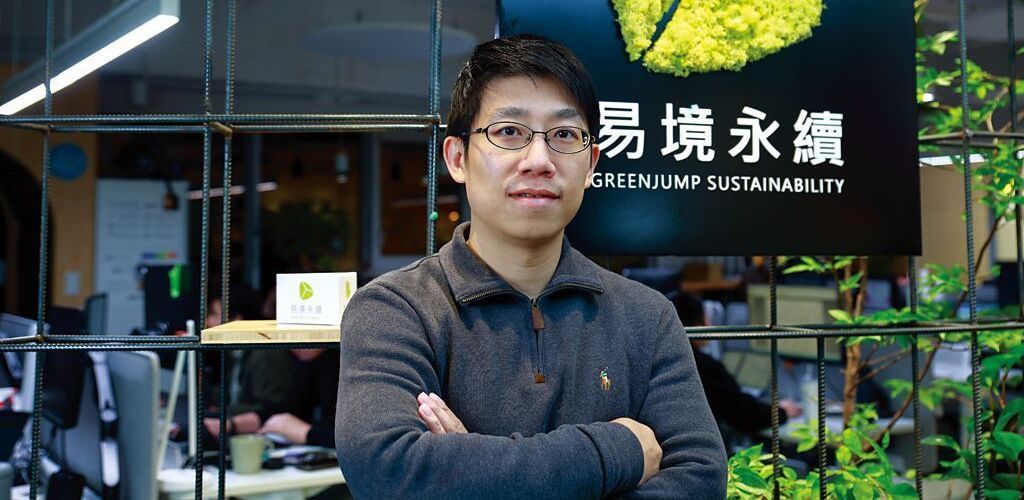
Photo 1: Stan Ho, CEO of GreenJump Sustainability, quietly built a career in building energy and sustainability back when “green building” attracted little interest. Photo / courtesy of GreenJump
Photo 2: Stan Ho / expert profile
Reprinted article:
As the net-zero trend reshapes global supply chains, many developers in recent years have seen the potential of green offices and combined ESG with building design. Stan Ho, CEO of GreenJump Sustainability, quietly cultivated the building energy and sustainability field 11 years ago, when “green building” was still an overlooked cause, and has witnessed the industry’s development first-hand.
Since 2014, he has led his team in promoting LEED, the U.S. green building certification, and WELL, the international healthy building standard, and has now expanded into ESG strategy integration and building performance simulation, helping more than 100 buildings in Taiwan and abroad earn green certifications, including landmark projects such as the Taipei World Trade Center International Trade Building, the ASUS Corporate Headquarters, and the Fuhwa Le Méridien commercial building.
A self-described “science guy” with a master’s degree from the Graduate Institute of Physics at National Taiwan University, Ho first stepped into environmental work in college through the debate over the Suhua Freeway. In graduate school he developed solar cells, which later led him into the green building industry.
While working, he traveled to the United States for Greenbuild, the international green building conference and expo, and realized how far apart Taiwan and the US were in promoting green building. “I thought this was really good and well worth pushing forward, and nobody in Taiwan was doing it.” He later had the chance to join research projects for the National Development Council, hoping to bring international experience to Taiwan.
Ho recalls that he first wanted to drive institutional change from the top down through regulation, but the idea was easily shot down with “this is a foreign thing; it doesn’t apply in Taiwan.” So he changed course and returned to industry, aiming to influence more people project by project and promote the idea from the bottom up.
When he started the company, he entered through computer energy modeling. “To me this is very scientific. Building design should be backed by data. How do sunlight and daylighting affect energy use? How do you interact with the design and revise it to reach better values?” In his view, people used to rely on how they “felt” the wind would flow, but under the natural laws of physics, wind does not move according to “feelings.”
Although he promoted energy modeling step by step through international certifications and won support from like-minded architects, the struggle of starting a business could not always go smoothly. On top of that, his first four years coincided with a downturn in Taiwan’s property market. Many peers left the industry, and he too worried that he “would not be able to pay salaries next month.”
Ho admits that in the early days, most projects were taken on because they were interesting or because the clients had strong ideals. Out of 10 projects, perhaps 8 lost money and only 2 were profitable, yet the 8 money-losing projects consumed the most energy. He had to balance ideals and reality and shift manpower to the projects that could truly turn a profit.
Another major challenge was that even when clients supported ESG and wanted third-party certification, the team still had to communicate one by one with stakeholders such as architects, MEP engineers, HVAC engineers, interior designers, contractors and operations teams. “The hardest part is communicating with every role. To them, sustainability may be one more thing on their plate, and along the way they may stand on the opposite side from you, so it takes more effort to get everyone moving in this direction.”
He shares an example: early on, when the team explained to those carrying out the work why drip irrigation was needed to save water, they were often turned down: “Nobody in Taiwan uses this,” “The pipes will clog over time.” The team then had to find cases in Taiwan and abroad to understand why it supposedly would not work in Taiwan and whether other designs could keep the pipes from clogging in the future.
“What I find interesting is that the people who object the loudest, once you have talked with them long enough, usually become your strongest supporters.”
Looking ahead, Ho says that during the first ten years of the business he was feeling his way across the river, stepping out of his comfort zone on ideals and passion. Now the company is entering a phase of transformation and integration: “Sustainability is our root. We will move from consulting services to implementation,” expanding the impact of “green building”
The expert’s motto
Every building should be a green building in its own right
The expert’s philosophy: holding to the belief that “people do not do wrong on purpose”
GreenJump CEO Stan Ho entered the green building field with a background in physics. More than 10 years of entrepreneurship have not been smooth sailing, but he believes that “people do not do wrong on purpose.” It is the way of working and the belief he has chosen, and also the source of inclusiveness in how he runs the company.
“Internally, colleagues don’t feel so much pressure working with me; externally, holding this view means that truly bad people won’t come looking for you,” he says. Whether working with colleagues or interacting with clients and partners, this belief has made him more inclusive.
From 2016, GreenJump began exploring international markets, with a presence in the UK, Qatar, Thailand, Singapore and mainland China, before finally settling on Southeast Asia and setting up bases in Cambodia and Vietnam. He went through many hardships at the time and was repeatedly tested on whether to keep believing that “people do not do wrong on purpose,” but he also grew quickly as a result.
Ho says with a laugh that although the effects of inclusiveness are invisible, he believes that belief is a choice. Just as his original aim in founding the company was to expand the impact of “green building,” his ultimate goal is even to “eliminate the green building consulting profession,” because he believes green building should be a universal value: every building should be a green building in its own right.

