


GreenJump Headquarters Wins a Golden Creative Award Gold Prize: Two Designers’ Journey Planning a Sustainable Office
As the company kept growing, our old office could no longer accommodate the expanding team. When GreenJump moved to a new office, we also set ourselves the challenge of leading by example and earning Platinum-level sustainable building certification, with colleagues from the old office planning and carrying out the project together and realizing the dream of building their own office with their own hands. In this article, we interview the two designers who coordinated the project about the ups and downs along the way.

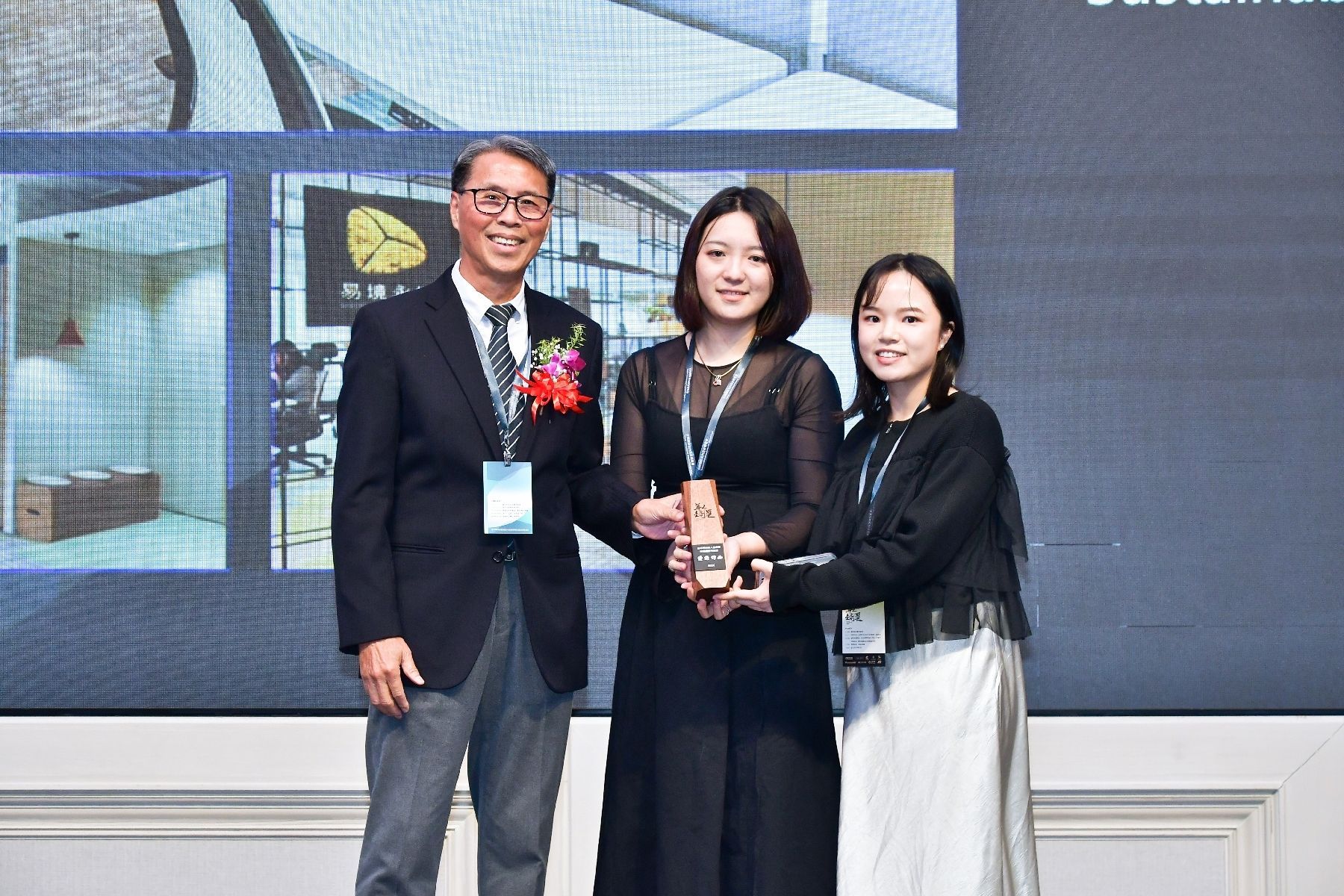
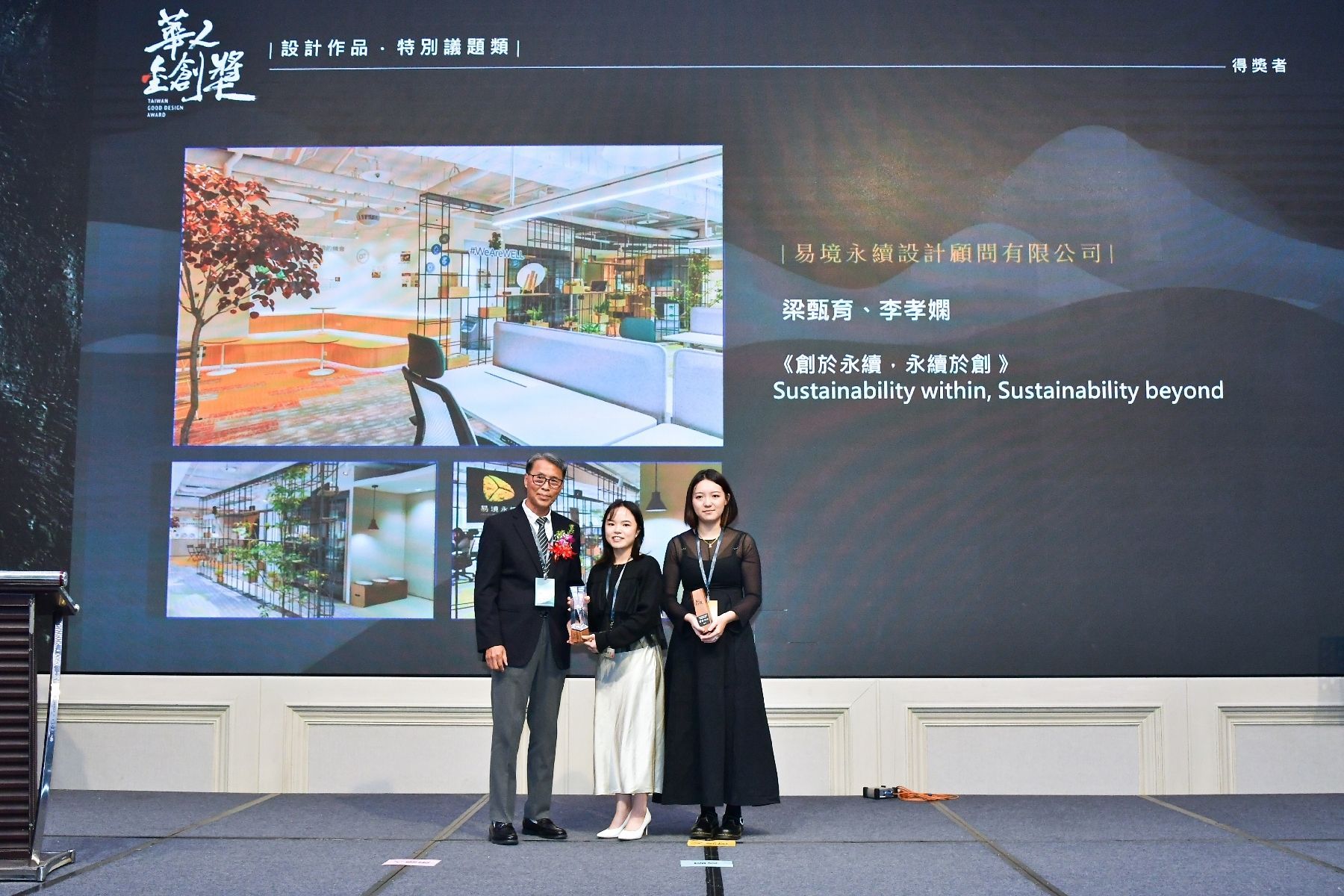
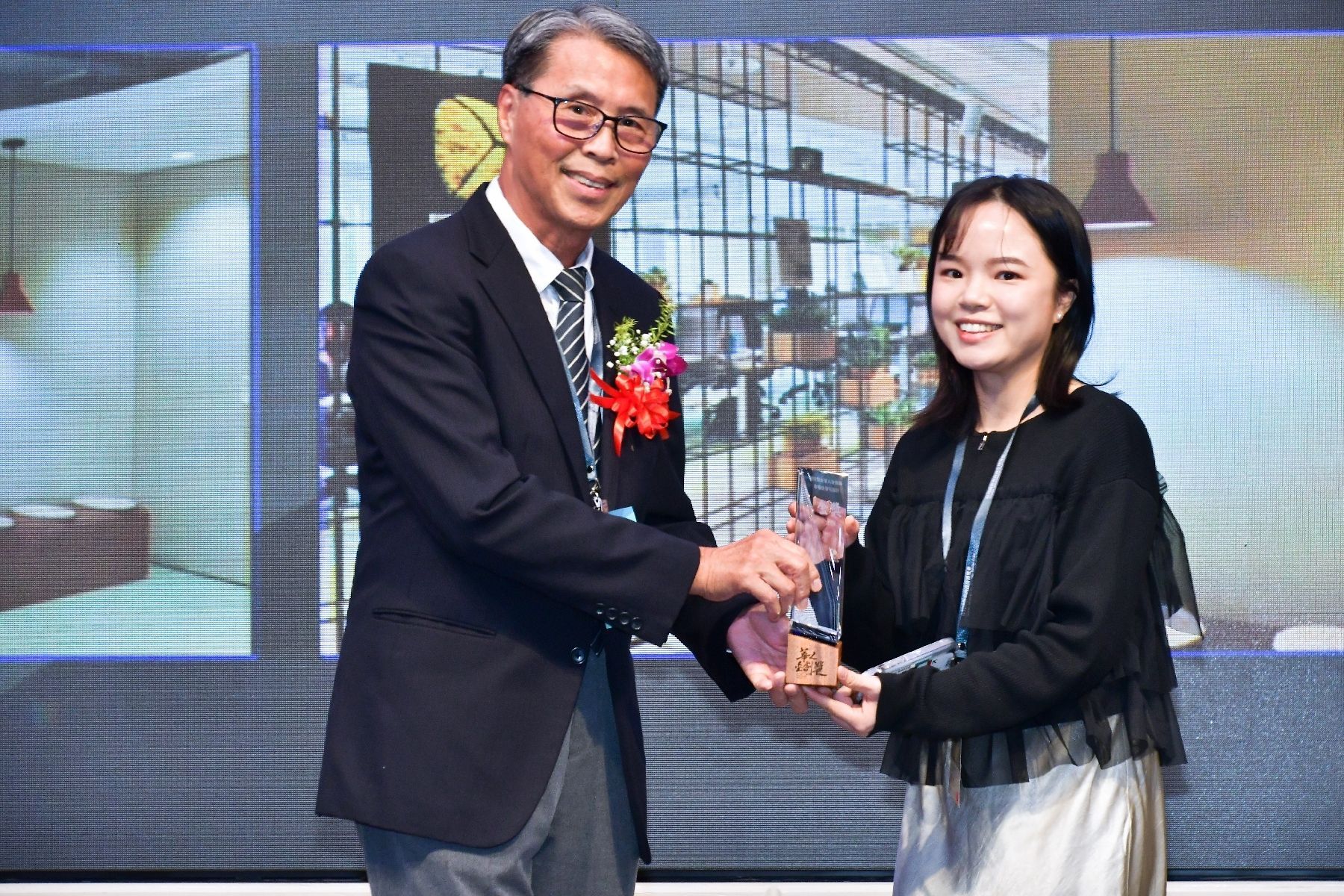
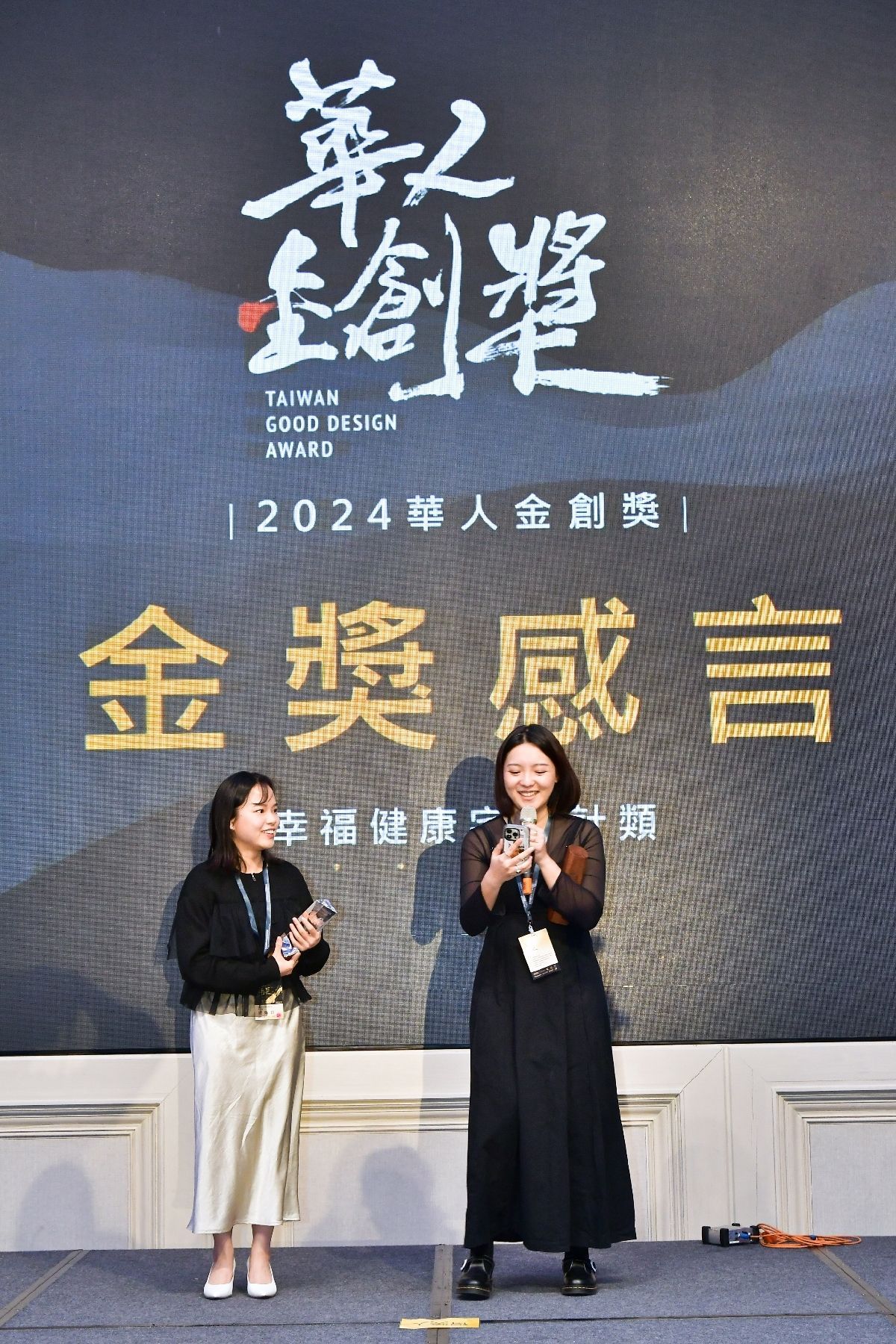
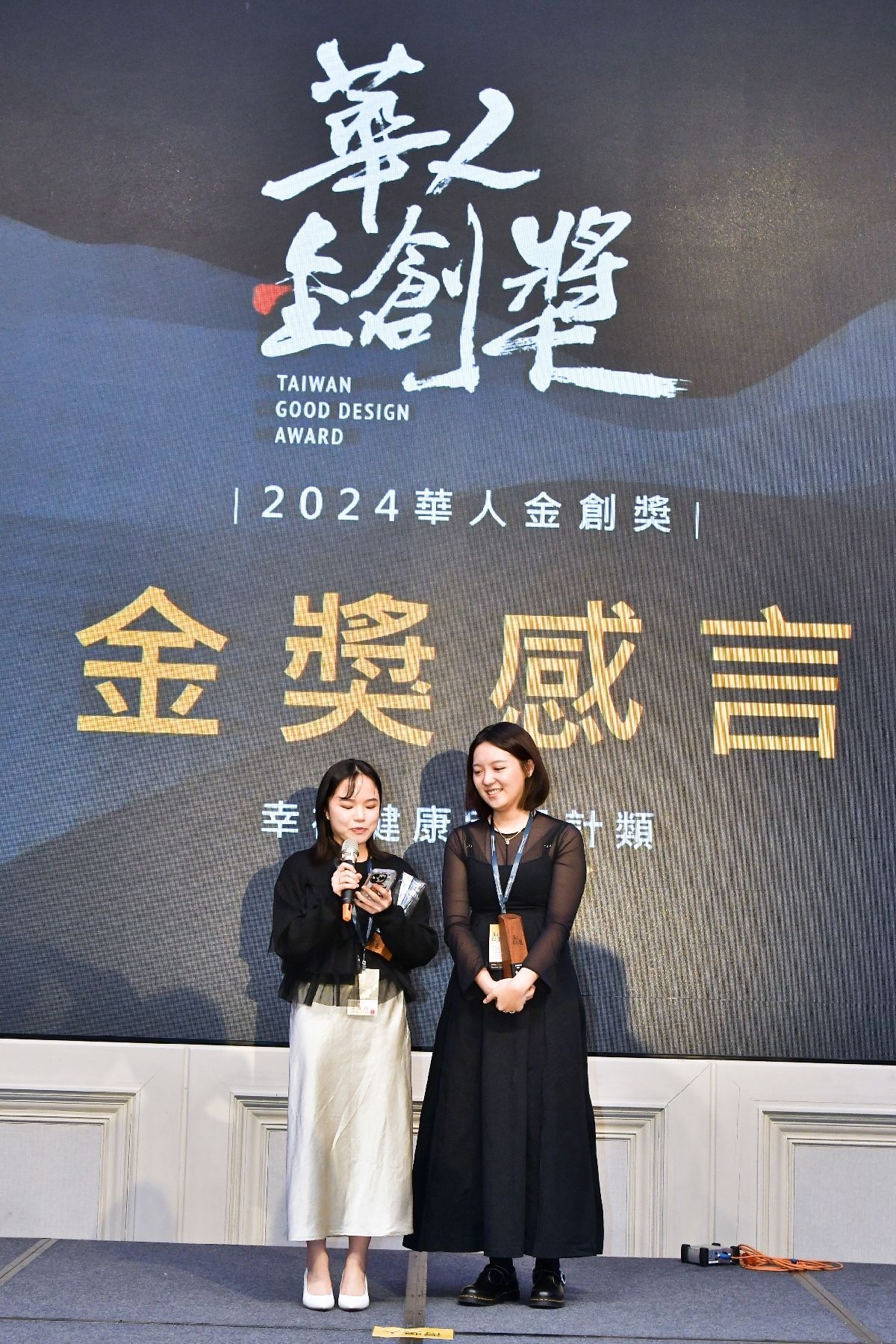
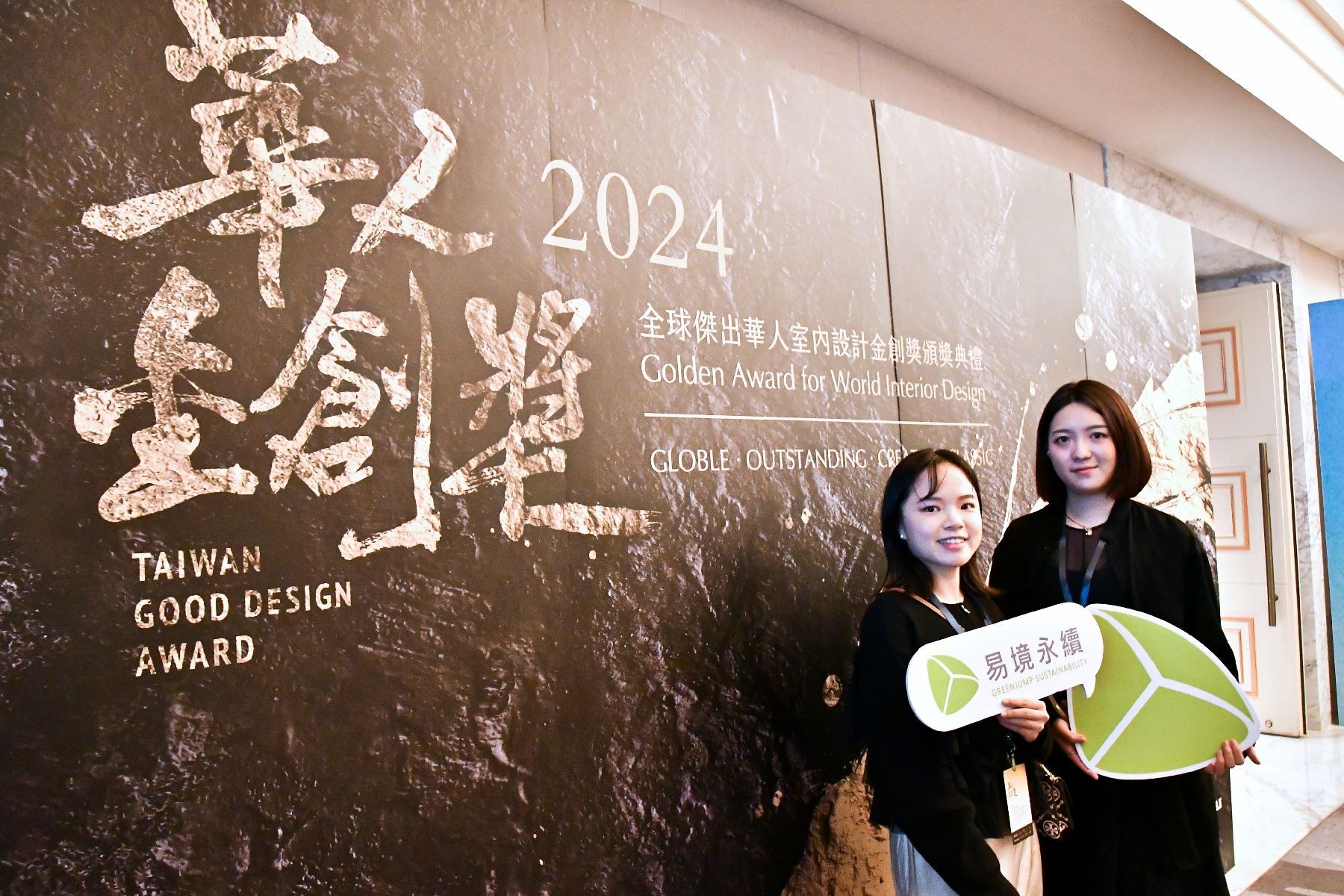
The 15th Global Chinese Interior Design Golden Creative Award held its ceremony on December 19, 2024 at Le Méridien Taichung. Besides the engineering management, design works, concept design and student design categories, the 87 winning entries in 2024 also included a newly added Special Topic Category. The GreenJump headquarters office won the Gold Award in the Special Topic Category with “Sustainability within, Sustainability beyond.” Following LEED ID+C Platinum certification and WELL Platinum certification, winning a gold award in a traditional interior design competition shows that interior design is also shifting from “functionality” toward more possibilities for “social design” within practical use.
In people-centered design, the hardest part is understanding users’ needs and staying true to the original intent throughout implementation. The GreenJump headquarters office was built by all of our colleagues as their own workspace, with the design concept of “creating sustainability in a sustainable workplace.” For this article, we invited the two coordinating designers, Liang Yu-chen and Lee Hsiao-hsien, to look back on the ten-month process of building the office.
“It was a challenging journey from nothing to something, and a victory of teamwork and perseverance. It is not just a workspace, but our practice of sustainability, our response to employees’ needs, and our commitment to environmental responsibility for the future.”
GreenJump’s colleagues help owners save energy and cut carbon every day, so when the company needed to move, we decided to have our own experts plan the new office, with LEED and WELL Platinum as the challenge. As a company veteran with an educational and professional background in interior design, Yu-chen of the GRESB team took on the space design, while Hsiao-hsien of the simulation team, who already handled administrative duties part-time, became the project manager. Together they coordinated everything from design and execution to the move. After ten months, the new headquarters office was completed and occupied in May 2023 and successfully earned LEED and WELL Platinum certification. They reached the goal, but the process had many twists and turns, and the hands-on experience they gained along the way became a valuable part of their growth!
Starting from “integrative planning” as the foundation of sustainable design
“We were sustainable from the very start of planning!”
Because the first indicator in LEED certification is integrative design, which aims to understand all needs at the very beginning of a project, Yu-chen and Hsiao-hsien started by gathering the views of the relevant stakeholders, that is, the employees, surveying colleagues about what they liked about the old office and what they hoped for in the new one. Yu-chen says that employees’ personal involvement makes the office truly “our home,” so the choice of location, ease of transport, work atmosphere and facility needs were all opened up for everyone’s input and participation from the beginning. This approach not only ensures the design direction matches real needs, but also embodies the core of sustainable design: integrative planning.
A journey of design and construction challenges
Yu-chen says the space planning went relatively smoothly, but challenges came one after another during construction. Our original intent was to achieve specific sustainability certifications, but because we did not have much practical interior design experience, many details surfaced as problems during construction. We were lucky to learn alongside the craftsmen and discover many construction solutions. For example, when designing the standalone cabin office we had not thought carefully about its height, and the carpenter redrew and adjusted it on site from experience. Also, although the large meeting room was changed to movable partitions because of site constraints, the angle of the tracks in the drawings troubled the general contractor for a long time, until the ironworker came up with a solution.
Challenges and solutions in selecting materials
As sustainable design consultants, we naturally focused on sustainable building materials. But materials had to meet aesthetic requirements as well as environmental certifications, which made selection a complex and challenging process. Take the bamboo panels used on walls and elevations: we wanted bamboo surface materials with a short growth cycle and low water demand, but the product we found had not applied for an eco-label. Then we had the idea of having the product tested, which showed it contained no formaldehyde, so we used it after all. Several of the office’s main tables came from Rewood, a woodworking workshop in Hukou, Hsinchu. Rewood is dedicated to local revitalization and forest circularity, using circular solid wood from thinning of Taiwan’s forests to make furniture and charcoal. Rewood also offers learning opportunities for people interested in woodworking and returns half of its sales revenue to the learners. In the end, the GreenJump office used Rewood’s reclaimed wood for the large meeting room table, the bar counter and the CEO’s desk. Notably, the legs of the CEO’s desk cleverly reuse recycled baseball equipment, and an old house number plate is even inlaid in the middle of the tabletop, giving the furniture a unique story.
Another challenge in material selection was finding materials for specific needs. For example, the height of the cabin had reached the threshold for a partition, so it had to meet fire safety regulations, which required finding a fire-retardant paint that was both eco-friendly and effective; that search did not go smoothly. The eco-friendly fire-retardant paint adhered poorly during application, making the craftsmen’s work more difficult. The team also chose nail-based fastening wherever possible to make construction more environmentally friendly. Another tough problem was that anti-rust paints on the market are highly toxic and do not come in a clear version; in the end, the team chose spray paint as an alternative.
Beyond healthy materials, to care for users’ comfort at work, the GreenJump office not only provides height-adjustable desks and ergonomic chairs but also follows biophilic design throughout, setting the area ratio of focus space to break space at 3:1. Carpets create images of pebble paths, lawns, ponds and fallen leaves, plants are layered and scattered throughout, and there are swing loungers and break areas, so that colleagues can concentrate in a comfortable space, discuss and exchange ideas freely at any time, and take a moment to unwind when tired.
Hsiao-hsien says that because materials had to be both beautiful and functional and meet environmental standards, selection was not easy. The search relied on help from many colleagues, through all kinds of connections and market research, and in the end they found materials that met the requirements, upholding environmental standards and making the GreenJump office the best showcase for sustainability.
Learning and growth
So what was the hardest part of the whole design, planning and execution process?
Yu-chen and Hsiao-hsien recall that the lease on their temporary office was about to expire and construction ran into the Lunar New Year, so the schedule was very tight; but the hardest part of the whole project was integrating the LEED and WELL standards. The certifications have many requirements that take time to check and then translate into design, and for that translation they had to work out for themselves how to meet the practical requirements of both certifications at once, which took a great deal of planning. After this project, both say it gave them a great deal of personal growth. Although there were many hard moments, it was also a very interesting and valuable experience.
At the end of the interview, Yu-chen and Hsiao-hsien especially thanked all the colleagues who took part in the project for their effort on every detail, the company for its full trust and resources, and all the partner suppliers who support sustainability for their help. This experience taught us deeply that when a team shares a common vision and is willing to work for it, any difficulty can be overcome.
Further reading: GreenJump Headquarters case study: LEED v4 ID+C Platinum + WELL v2 Platinum

