


WELL 2026 Summit Taipei Recap: The Next Step for Healthy Homes Is Making "Healthy Living" Verifiable
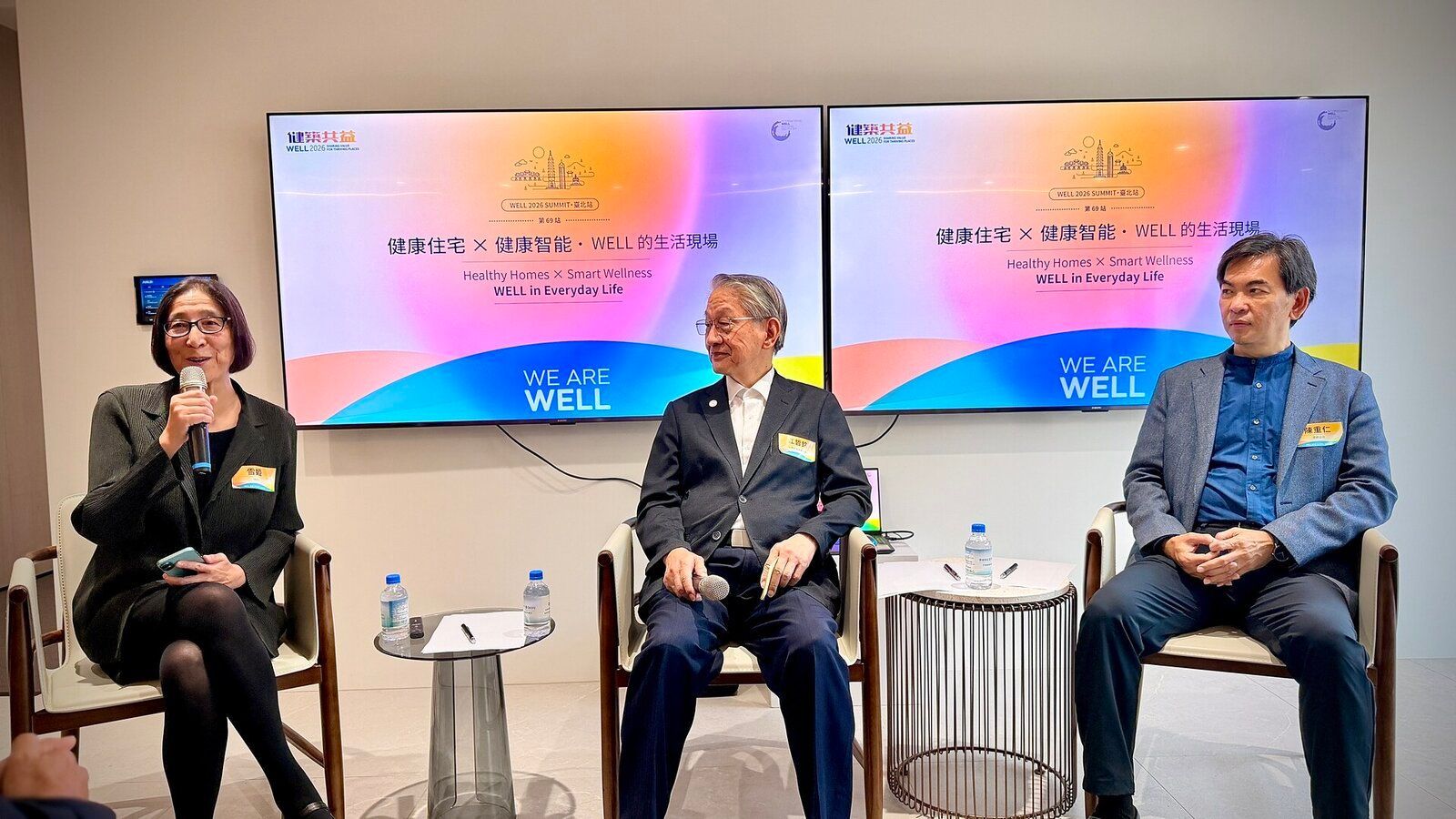
The Taipei stop of the WELL 2026 Summit, hosted by the International WELL Building Institute (IWBI), took place on November 11, 2026 under the theme "Healthy Homes × Healthy Intelligence: WELL in Everyday Life". It brought together developers, consultants, technology companies and academics to discuss how healthy buildings can move beyond the office and into the homes where we live every day.
This was the 69th stop of the WELL 2026 global tour. Xue Ya, President of IWBI Asia, came to Taiwan in person to share an overview of the Taiwan market, the outlook for 2027 and the latest WELL product updates. Stan Ho, CEO of GreenJump, was invited to speak on "Turning 'healthy living' into an international standard that can be verified", sharing GreenJump's first-hand experience of guiding WELL for residential (WFR) housing projects.
Three updates from IWBI
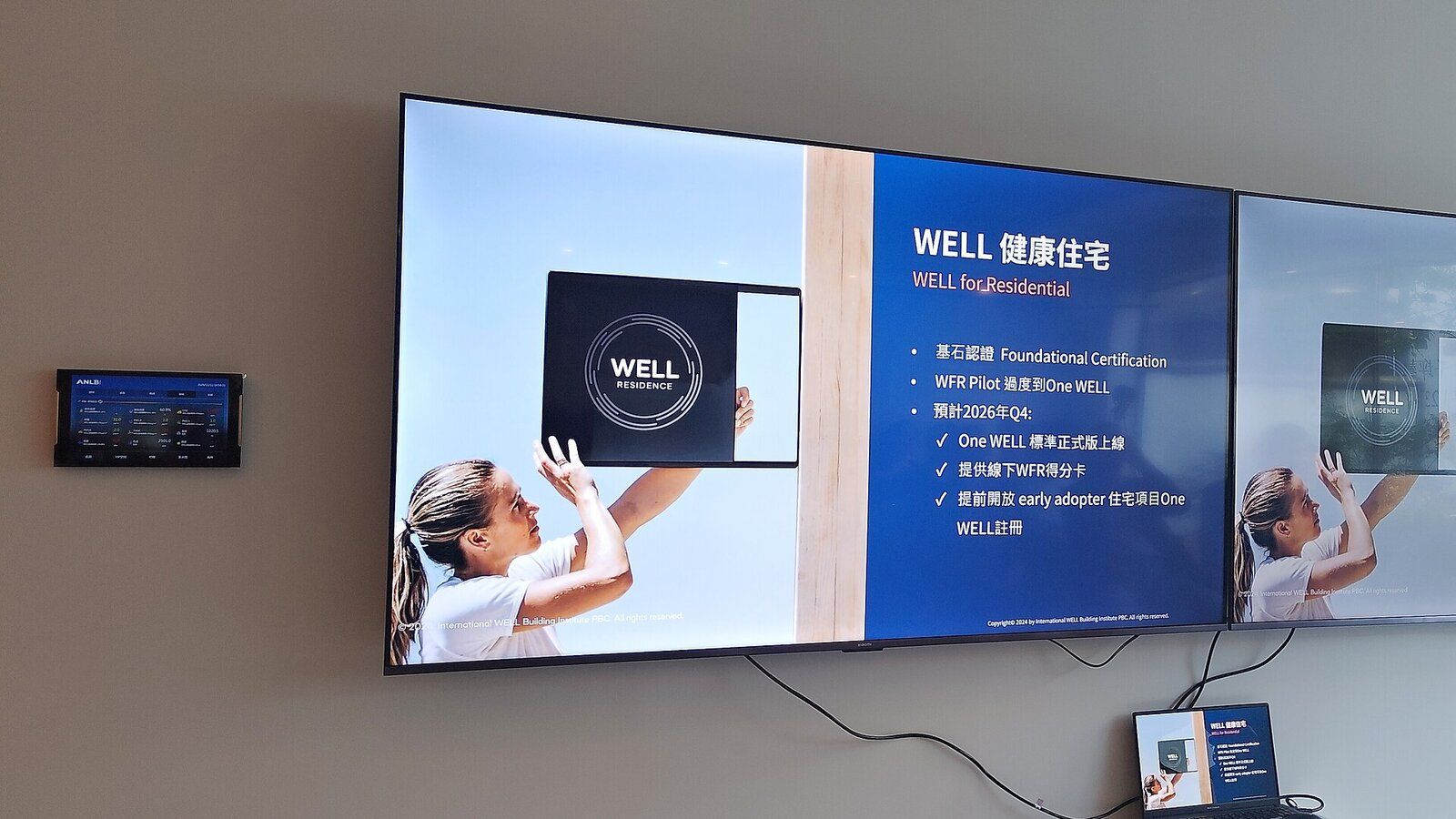
The healthy home standard moves to One WELL
WELL for residential will transition from its pilot phase to the One WELL framework. The official One WELL release, including a WFR scorecard, is expected in Q4 2026, and residential projects can register early as early adopters. For developers planning new projects, starting now means arriving just in time for the new standard.
Actual timing subject to IWBI's official announcementA certified office building helps the whole building get healthier
Aimed at office buildings that have achieved WELL Core certification and are served by a WELL consultant, the program lets tenant companies reuse the points the building has already earned, cutting the cost and time of pursuing WELL. Owners maintain the benefits through recertification and extend the experience to other properties in their portfolio.
Turning one certificate into a tool for leasing and tenant retentionHealthy interior design and the Well Living Concept Award
IWBI introduced WELL healthy interior design, which focuses on interior design (including MEP), and the Well Living Concept Award, which recognizes innovation in real projects across ten healthy living concepts: air, light, materials, nourishment, sound, thermal comfort, water, movement, mind and community.
Ten healthy living conceptsWFR is moving to its next version
Moving from the pilot version to One WELL means healthy homes will be assessed more consistently and will connect more easily with other WELL certifications such as offices and retail. For developers, the earlier the features go into the design, the more smoothly the project will transition when the new version arrives.
Turning "healthy living" into an international standard that can be verified
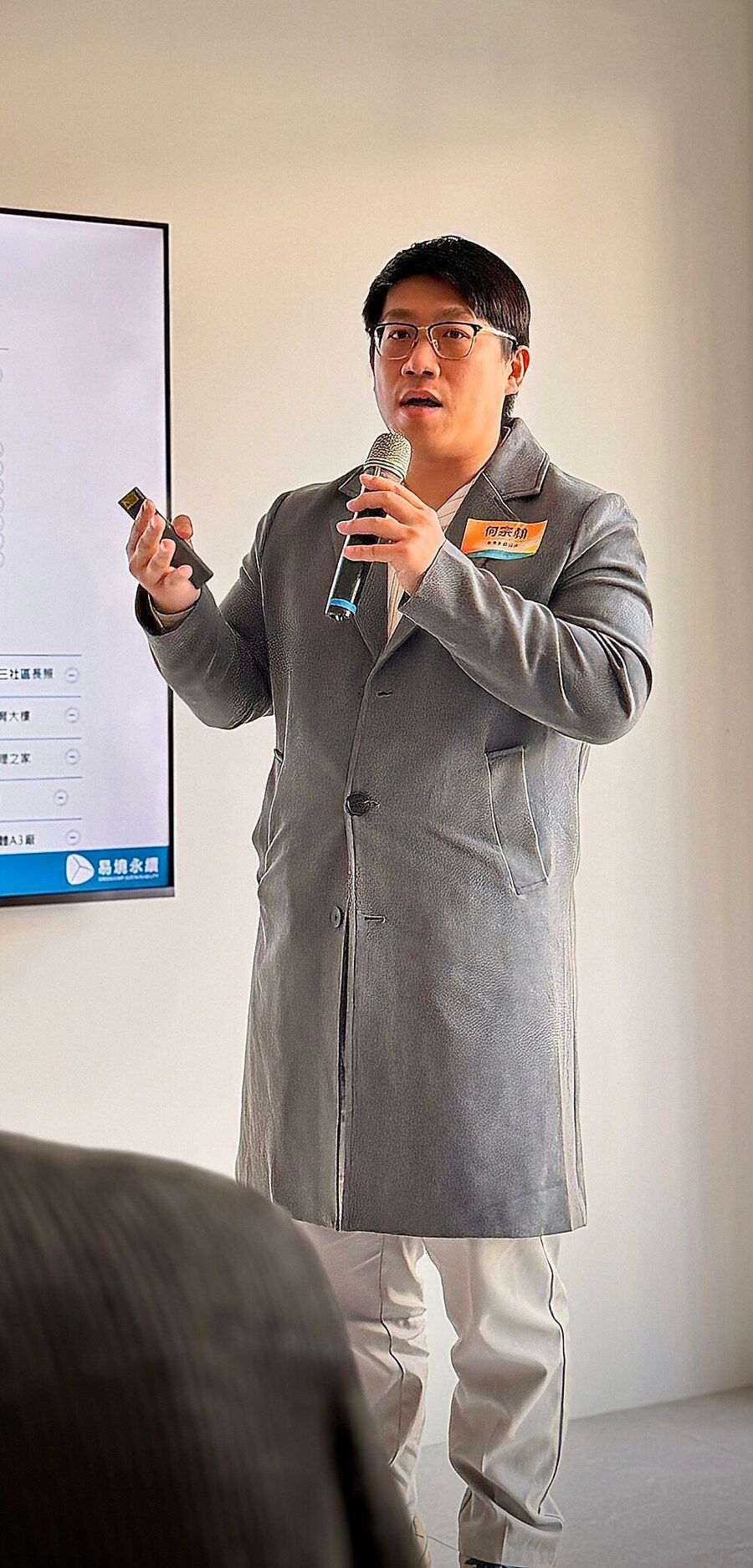
Three waves of WELL in Taiwan
The first to respond were corporate headquarters, whose owners saw that WELL could give employees a healthier workplace. Next came institutions such as long-term care centers, schools and postpartum care centers. Since the pandemic, the most active have been leased office buildings: many have started pursuing WELL certification on top of green building certification.
Housing is the latest wave, and the one people feel most
Early residential projects could only use the office version, which often included requirements that did not fit. Things only truly changed after IWBI launched WELL for residential, designed specifically for homes. GreenJump currently has 7 WFR housing projects underway, 5 of which have already been precertified.
Why are developers willing to do it?
Residents care about natural ventilation, air quality and indoor noise, but lack the expertise to judge or improve them, so they can only accept what they get. If a developer solves these pain points first and then lets an international third party tell buyers about it, that is the most convincing selling point there is. Many developers who have gone through the features with GreenJump also found that they were already doing much of it; WELL gives those practices international recognition and points out where they can still improve.
Two projects, two starting points
Joerich: Taiwan's first full WELL residential certification
An older building, leased in its entirety and renovated by a rental management company, with very demanding existing conditions. Before construction began, the owner personally explained to every contractor why the project was pursuing WELL, and only those willing to take part stayed on. This allowed the team to finish in a short time and achieve full WELL for residential certification. WELL homes are not just for new developments; older buildings can do it too.
Chiron Property: two projects in one year, turning brand language into features
During its rebranding, Chiron put forward "New, Luxe, Elegant, Comfortable", but the words were still too abstract when talking to buyers. GreenJump helped map each of the four words to WFR features: room-by-room temperature control and proactive air quality alerts, wood-grain louvers that carry on the memory of the original building, and light from three sides with a walkable neighborhood. In Tianmu, all 27 homes of Chiron OSMOSIS achieved WELL Residence Precertification, Chiron's second project within a year.
The key to success: bring it in at project kickoff. To be confident of certification while keeping costs under control, the most important condition is to put WELL on the table when the project starts and decide which features to pursue, rather than adding them halfway through construction.
Healthy Homes × Healthy Intelligence: more views from the floor
Homes should get smarter too
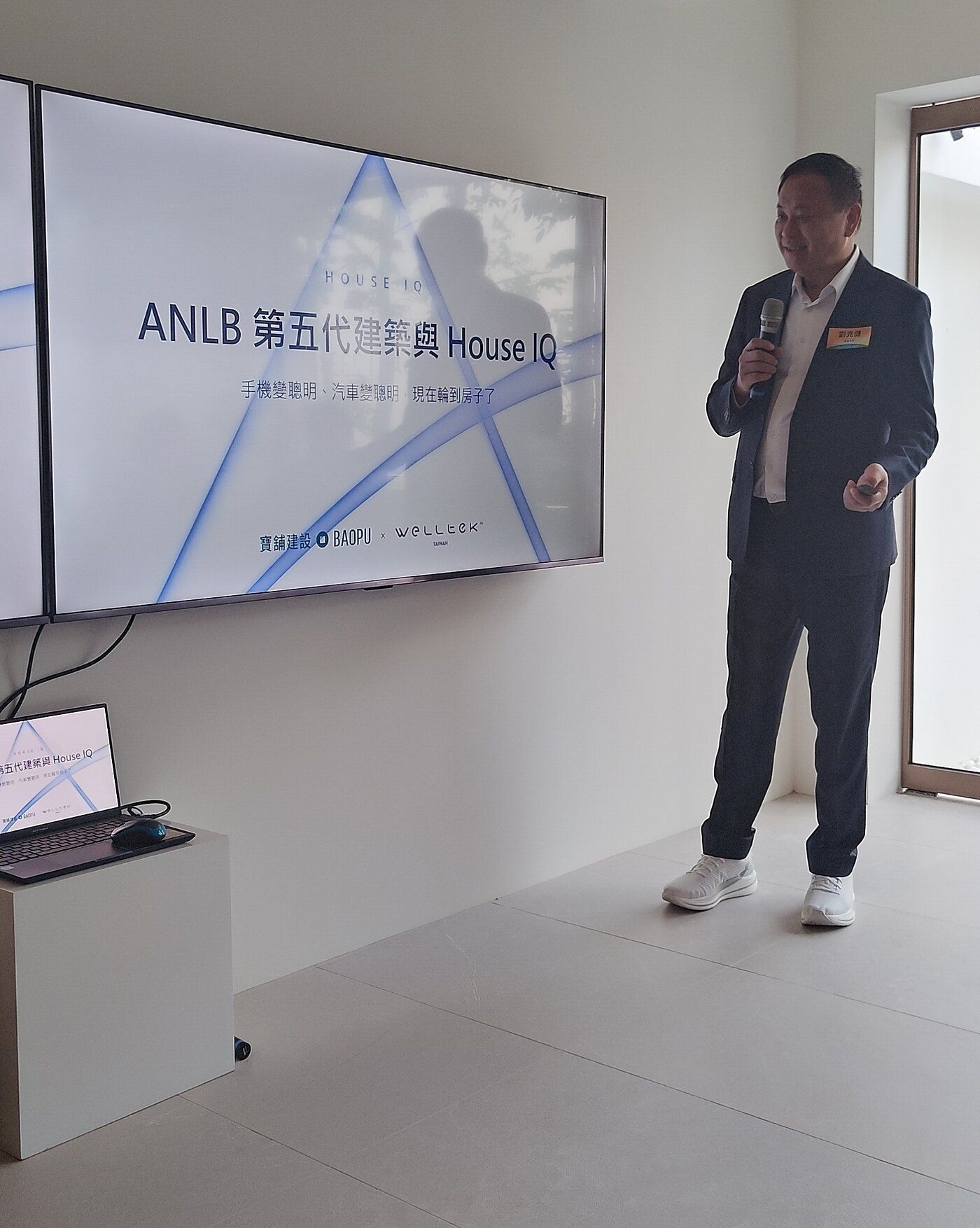
Liu Ko-chien, Chairman of Bao Pu Construction, spoke on "The next stage of healthy homes", sharing his vision of AI-native housing and arguing that homes should become as smart as phones and cars.
Spaces that understand health
Liu Ming of WellEdge discussed smart buildings and health technology, arguing that spaces should be able to understand health.
WELL Talk panel
In the second half, Xue Ya, President of IWBI Asia; Chiang Che-ming, Chief Advisor of the Taiwan Wellness Building Association; and Chen Chung-jen, General Manager of SSDC (Segreene Sustainable Design & Consulting), discussed how healthy homes can become part of ordinary people's lives, from policy and design to users.
Three actions for developers
Assess WFR at project kickoff
Deciding features, cost and schedule together early in design is easier than adding them after completion.
Map your brand language to features
Make "healthy" and "comfortable" more than adjectives: turn them into specifications buyers can see.
Bring third-party verification into sales conversations
Using an international certification to answer buyers' biggest concerns about ventilation, air and noise is more convincing than any adjective.
A healthy home is not a more expensive home. It is a home that is easier to believe in.
Want to know how your project can adopt WELL for residential? GreenJump is a WELL Enterprise Provider and can start by assessing the features, cost and schedule for you.
Further reading
- Chiron OSMOSIS in Tianmu achieves whole-building WELL Residence Precertification
- Hualien Mennonite Christian Hospital Health Management Center: Taiwan's first whole-building WELL certified hospital
- What is WFR? WELL for residential home health certification explained
- Nov 20 building environment simulation event (Taiwan launch of FlowSIM Pro, in Chinese)
Sources: IWBI WELL 2026 Summit Taipei presentation (November 11, 2026); Cushman & Wakefield residential health survey (during the pandemic). One WELL timing subject to IWBI's official announcement.

